Date: September 2025
Introduction
Furniture and toys may seem like separate worlds, but both play crucial roles in shaping spaces, lifestyles, and human experience. Furniture defines how people live and move in their homes, while toys spark imagination, learning, and even influence how interiors must adapt to family life. For interior designers, understanding current trends in both sectors is key to creating spaces that feel relevant, functional, and emotionally resonant.
Key Trends in Furniture
-
Space-Saving & Modular Living
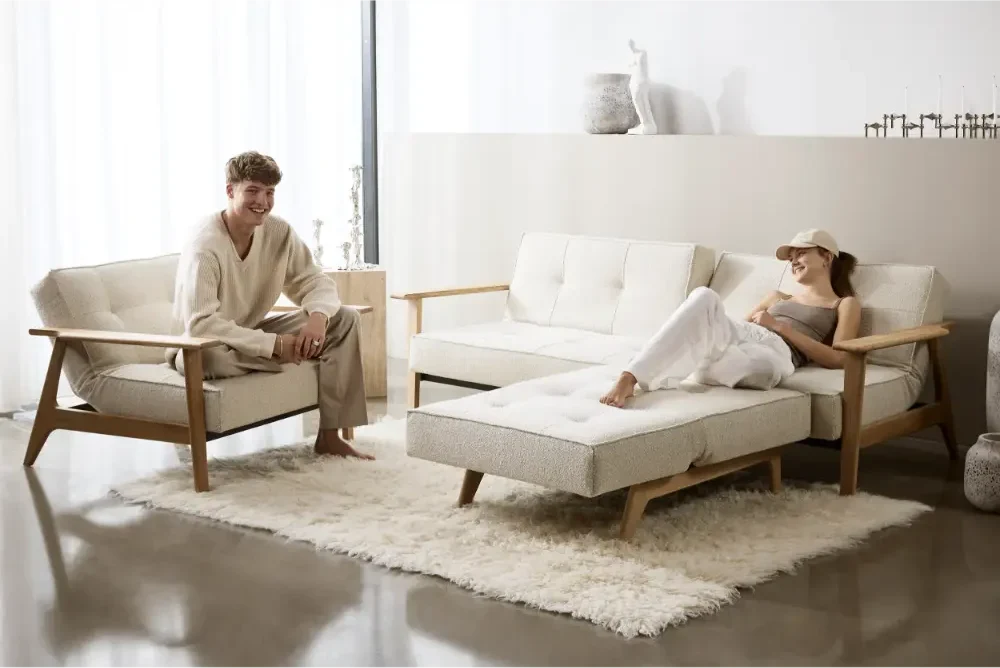
As urban living grows denser, demand is rising for pieces that fold, reconfigure, or serve multiple purposes—sofas with hidden storage, convertible desks, modular shelving. These allow designers to maximize space efficiency without sacrificing comfort. -
Warm Minimalism & Japandi Aesthetics
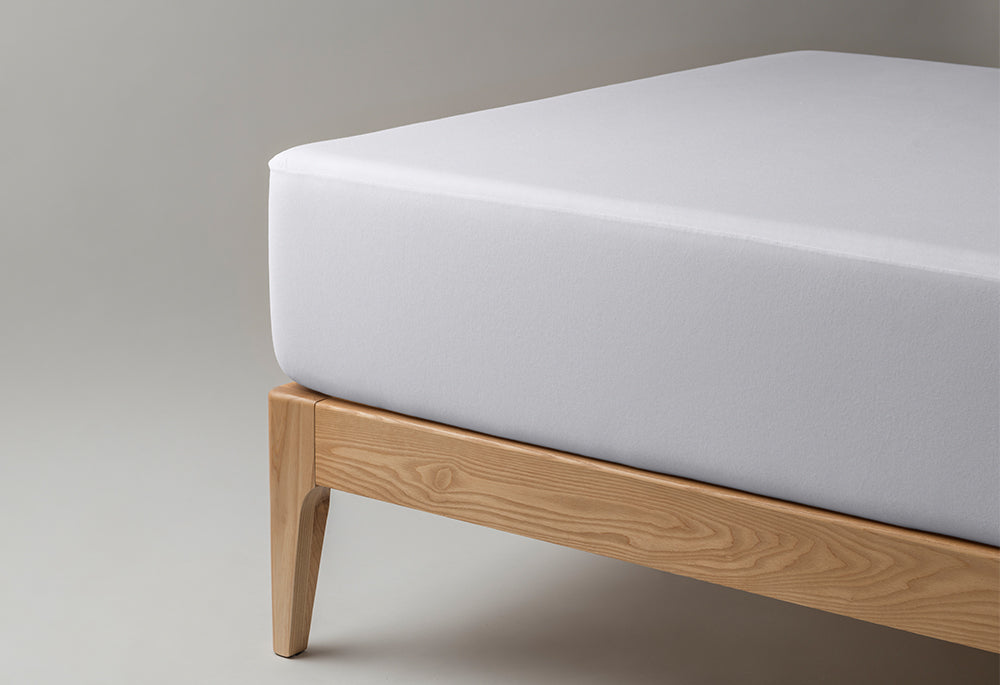
The leading look for 2025 blends Japanese restraint with Scandinavian coziness. Expect muted palettes, soft organic forms, natural wood finishes, and uncluttered silhouettes. It’s a calming antidote to the overstimulation of modern life. -
Sustainability as a Standard
Clients increasingly expect furniture made from reclaimed wood, bamboo, recycled plastics, or sustainably sourced textiles. Low-VOC finishes and eco-certifications add credibility. Interiors that highlight sustainability resonate with modern values and often command higher perceived quality. -
Digital Integration
Augmented reality tools and visualization apps are reshaping how clients choose furniture. Designers now need to think not just about placement in a room but how a piece appears in AR catalogs, and whether it integrates seamlessly with smart home systems.
Key Trends in Toys
-
Educational & STEM Focus
Parents want playthings that double as learning tools—building sets, robotics, and interactive kits. This shift influences interiors too: homes need designated play-learning areas that balance creativity with safety. -
The Rise of “Kidults”
Adults are a growing market for toys, especially collectibles, model kits, and nostalgic play. Designers may find themselves integrating display cases, shelving, or creative nooks into homes to accommodate this new category. -
Sensory & Tactile Play
Younger children benefit from open-ended, modular, and sensory toys that encourage creativity. Interior layouts that keep safety, accessibility, and organization in mind can enhance these play experiences. -
Safety & Regulation
With frequent recalls and strict standards (ASTM, EN71), safe storage and material choice matter. Designers specifying toy storage solutions should consider air quality, non-toxic finishes, and ease of cleaning.
Why This Matters for Interior Design
- Family-Friendly Spaces: Growing demand for multipurpose rooms that can shift between play, work, and relaxation.
- Storage Solutions: Both toys and modular furniture require integrated storage systems to keep spaces organized yet accessible.
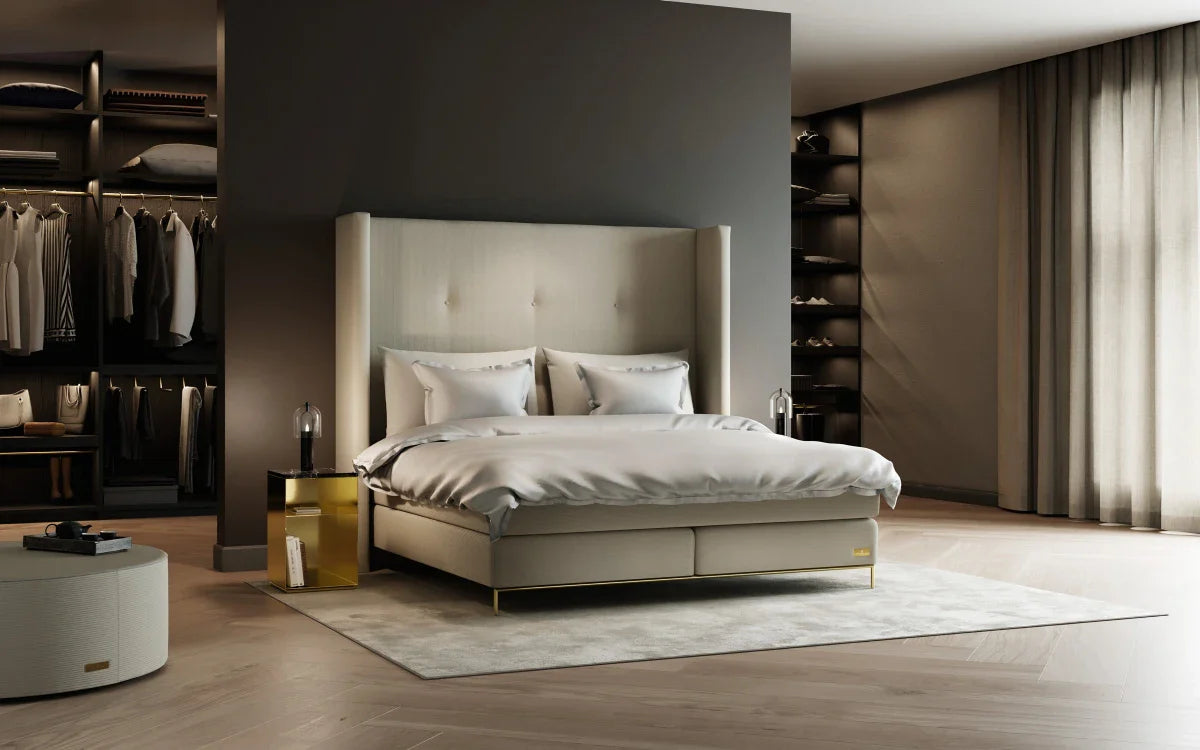
- Aesthetic Cohesion: Designers face the challenge of harmonizing bold, colorful children’s toys with calming adult interiors. Using neutral storage or transitional spaces helps maintain flow.
- Showcasing Collectibles: For adults buying premium toys, thoughtful display solutions (glass cabinets, modular shelving, accent lighting) are as important as the toys themselves.
Actionable Design Strategies
- Design for Flexibility: Choose furniture that adapts to changing life stages—children growing up, working from home, downsizing.
- Balance Play and Aesthetics: Incorporate toy storage that blends with the overall style—hidden compartments, under-seat drawers, or stylish bins that match décor.
- Highlight Sustainability: Recommend furniture brands with eco-friendly credentials and propose natural finishes and textiles wherever possible.
- Create Display Zones: For both children and “kidult” collectors, integrate dedicated shelving and cases to celebrate objects without clutter.
- Use AR Tools with Clients: Show furniture placement or toy storage ideas virtually before purchase, reducing uncertainty and increasing client satisfaction.
Conclusion
For interior designers in 2025, furniture and toys are more than background elements—they’re central to how people live, learn, and find joy in their spaces. By embracing modular solutions, sustainable practices, and playful integrations, designers can create homes that meet the demands of modern life while still reflecting beauty and personality.